

This blog post was written by studio director Emma, who has been travelling across Canada and in the United States for the last few months on a sabbatical from teaching. Emma will be back to teaching at the studio in November, and wishes to share this update about her trip with the QSY community. This post relates to the recent work Queen Street Yoga has been doing on Indigenous land acknowledgement and educating ourselves about the cultural genocide of First Nations populations in Canada.
At a contact dance workshop this summer, I participated in an exercise that included walking backwards along a forest path. The exercise encouraged us to sense the space behind us, which is a useful awareness to cultivate in dance. I walked backwards for over an hour along a winding forest path, over jagged rocks, bumpy tree roots and clumps of moss. The sensation was fascinating. I realized that I have had a habit of looking down at the ground as I walk, in order not to trip. Facing away from where I was walking to required me to slow down a great deal and sense carefully with my feet the texture and topography of the ground. Looking down was no longer a helpful strategy. My gaze was up and my awareness surrounded me like a sphere. I was no longer focused on moving ahead, on getting somewhere; I was filled up with the view of the landscape I was moving through, and an energetic sense of the landscape I was backing into.
One of the most noticeable differences in the experience of walking backwards is that your view is constantly widening. Rather than things disappearing from your peripheral vision (which is what happens when you move forwards) the landscape appears slowly at your sides and seems to bloom out and emerge from the edges of your vision. What you see seems to grow in context and size, rather than shrink in anticipation and pursuit of your destination. Walking backwards, one is not preoccupied with the destination, rather, with having the fullest sense of the landscape, and of treading carefully on the ground. Continue reading “Walking Backwards – Widening My View”
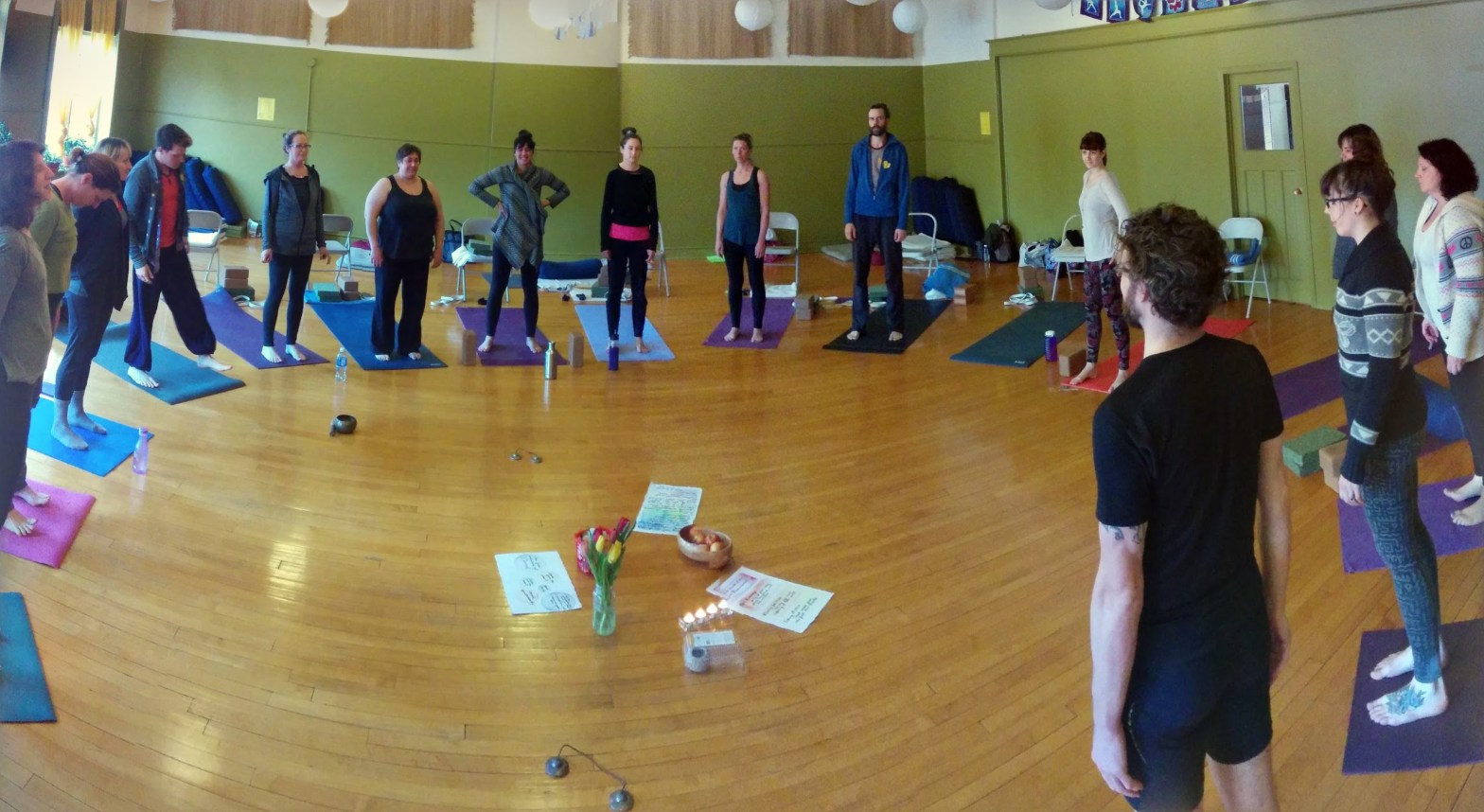

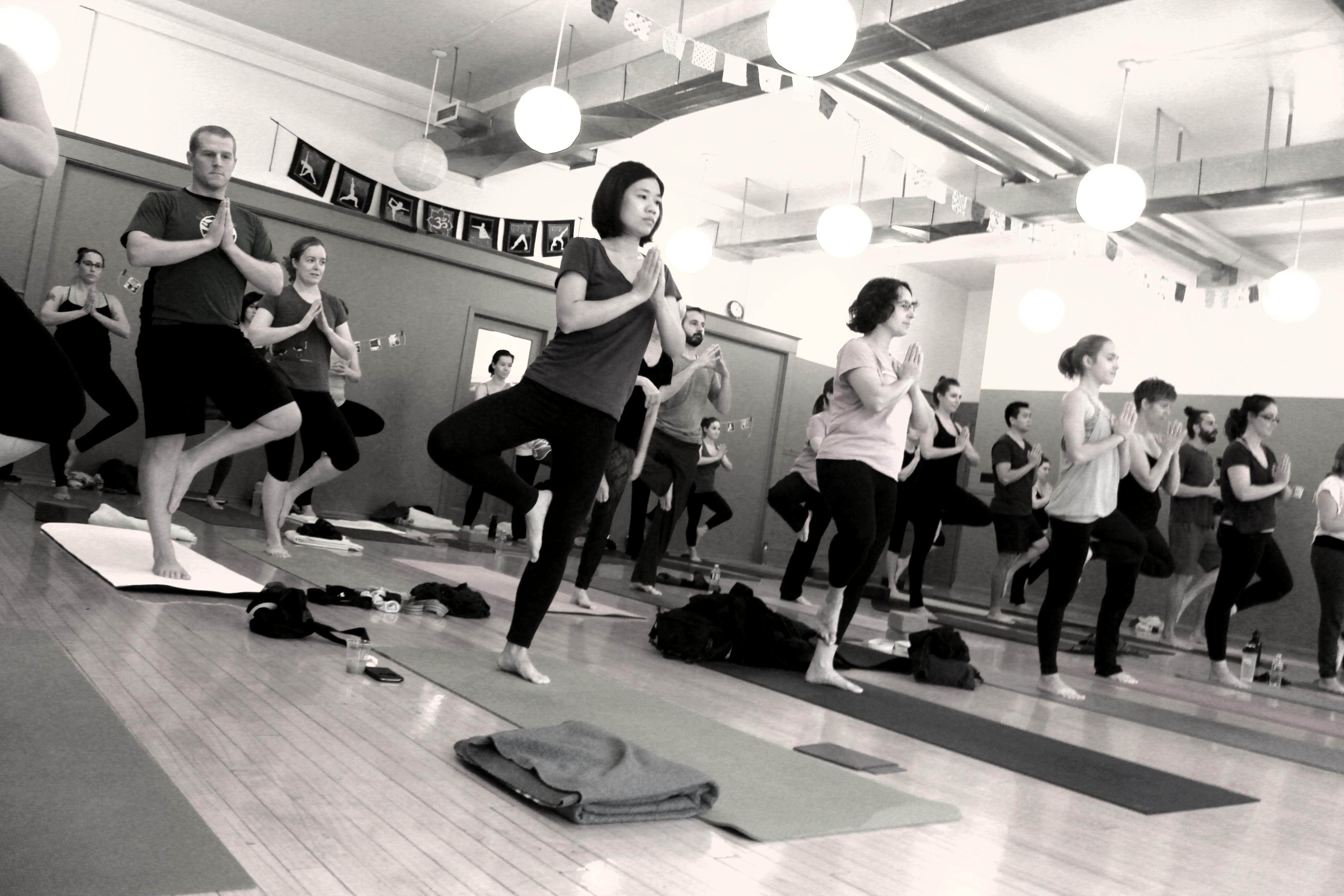
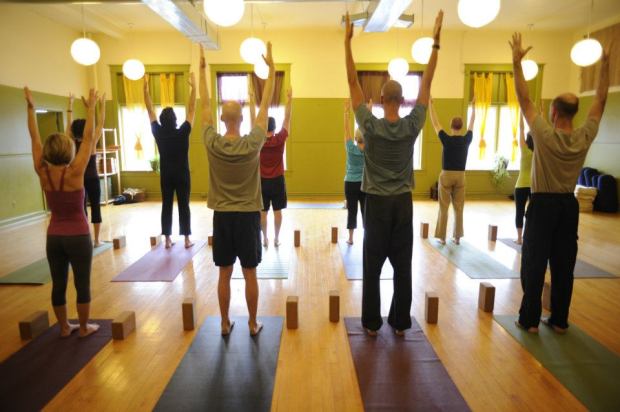 In the last several years, Queen Street Yoga has been looking more deeply into questions of privilege, oppression and cultural (mis)appropriation, and how they show up in the teaching of yoga, and in the experience of yoga studios. We have been examining how yoga was taught to us by mostly white, cis-gendered teachers, and thinking carefully about what it means to be North-American born practitioners of a tradition that has its origins in India. I define cultural (mis)appropriation as instances when members of a dominant culture take elements of a minority culture and use them outside of their original cultural context, often times reducing or commodifying those cultural aspects to “exotic” and meaningless fashion or activities. Cultural appropriation is a complex subject, and people often get defensive when it is mentioned. Recently an article was published in the Ottawa Sun about a yoga class at the University of Ottawa that was purportedly cancelled due to fears that it could be considered cultural appropriation. The Ottawa Sun later printed a retraction and reported that the class was cancelled due to low attendance, but that did not stop the viral media-storm in which many white columnists and writers derided the whole idea that yoga could be considered cultural (mis)appropriation.
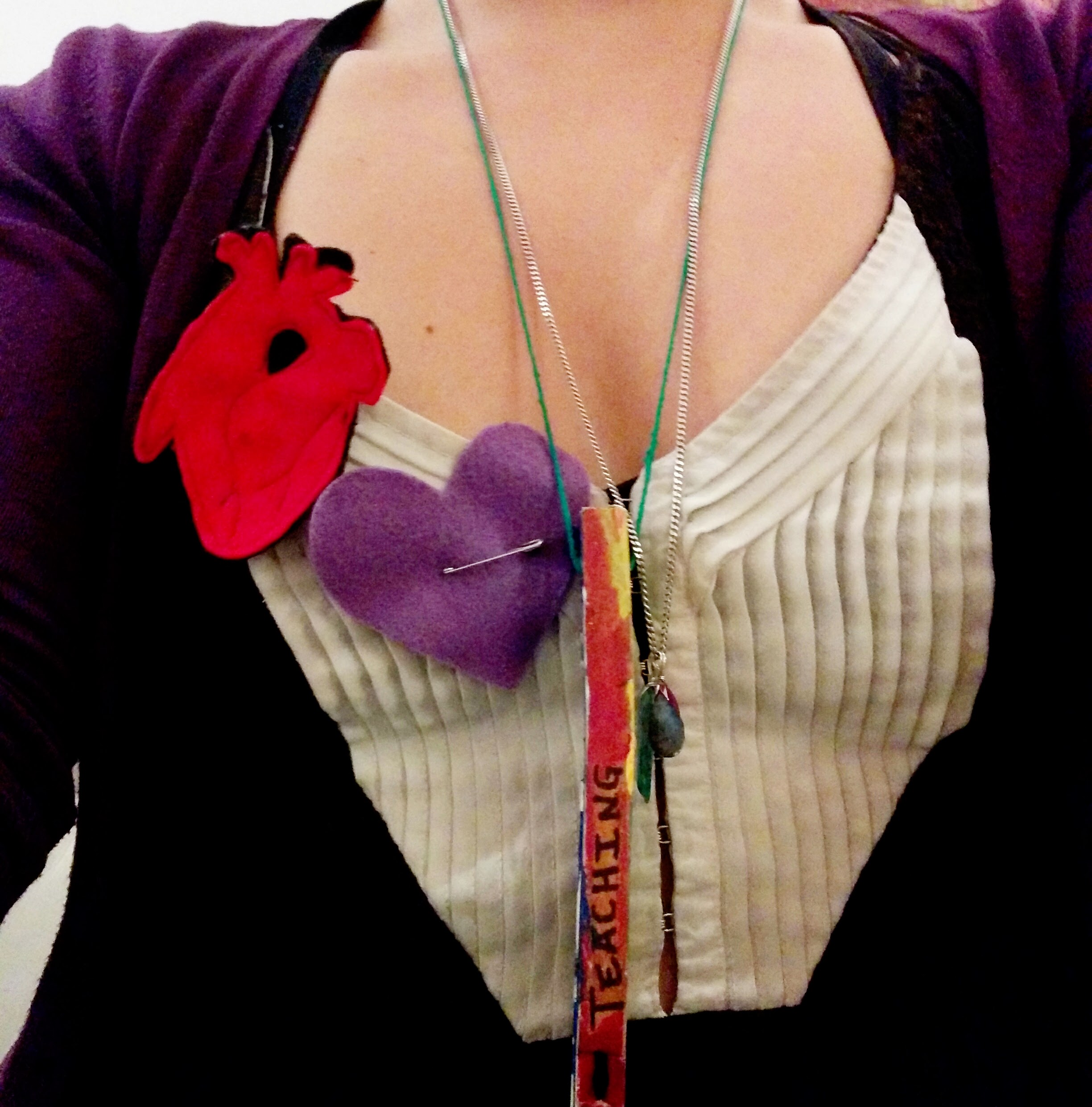
 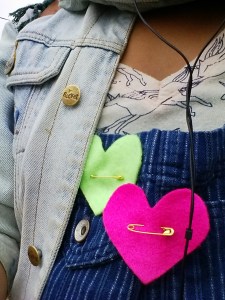 Fast-forward to the present moment, where colourful felt hearts litter every surface of my home, are pinned to every piece of clothing, and stacks of which are stuffed into every pocket and bag. In the past two months I have become a regular giver of hearts. I pin them on parked bicycles, gift them to cashiers, offer them to children and parents, and drop them on my yoga students’ mats.
 Just over ten years ago


