
Queen Street Yoga teacher and creative director Emma Dines shares an important personal experience about race and representation as it relates to yoga teaching and representation in the yoga studio community.
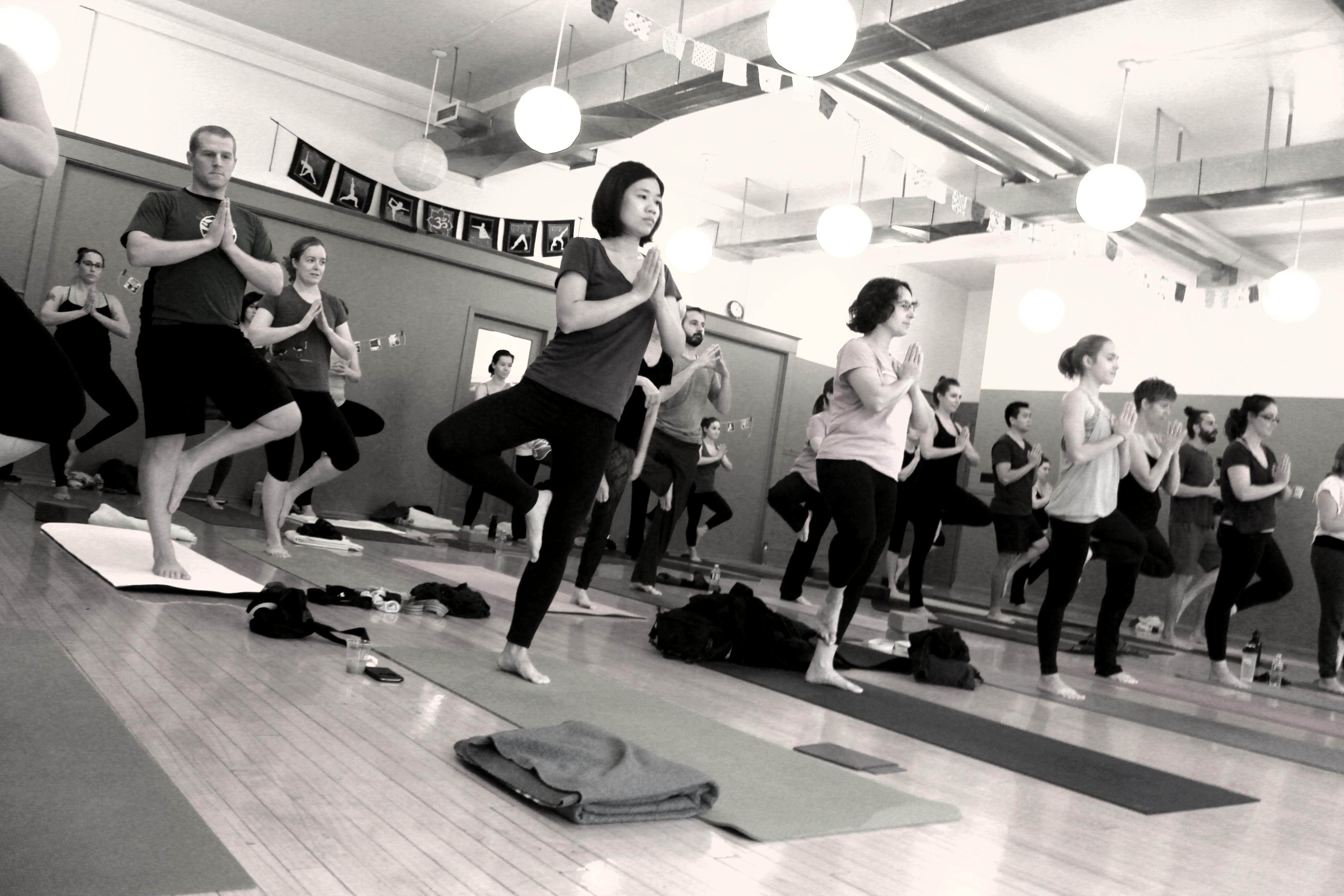
During our March Yoga Teacher Training weekend, QSY hosted two presenters from Toronto who shared their experiences and best practices of merging anti-oppression work with the teaching of yoga/hosting of yoga studio communities. Jamilah Malika and Christi-an Slomka led the group in considering the experiences of those who are underrepresented in yoga studios and yoga media/imagery, and understanding how and why yoga studios remain mostly white and mostly cis-gendered spaces, and how and why we might work to shift this.
During our closing circle, where we shared our insights, reflections and challenges with one another, I shared the following personal story, which touches on themes of race and representation. It was a story that I had forgotten about, but it bubbled up to the surface during the circle.
A bit of background before the story. I grew up in Toronto in a mostly white neighbourhood, going to a mostly white school. I am mixed race – my mom is third-generation Japanese Canadian, and my dad is second-generation Scottish Canadian. I remember being pretty aware of my race as a child – I was one of two or three Asian or half-Asian kids in my class. When I blew the candles out on the cake at my eighth birthday, my wish was to wake up the next day with white skin and blond hair. My mother experienced what I now understand to be micro-aggressions from many of the other parents in the area. The racism that my mother, my siblings and I experienced was subtle, sometimes internalized, but definitely present.Continue reading “Yoga and Race: Why Representation Matters”
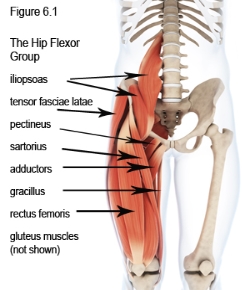 The hip flexors (the group of muscles that bring your leg towards your torso) often have decreased range of motion from all the sitting we do. Simultaneously, your lower back, bum and core muscles get weak from sitting and slumping. This quick video with Leena demonstrates an effective way to gently stretch and regain range of motion in the hip flexors, and emphasizes important actions to engage the core and keep your lower back safe and well aligned. Building the muscles in the back (ie your butt and hamstrings) will also often help correct imbalances around the hips and pelvis that cause the hip flexors to feel “tight”. Couple this stretch with a few sets of well-aligned squats to build your glutes, and also lots of walking with arms swinging and a full stride.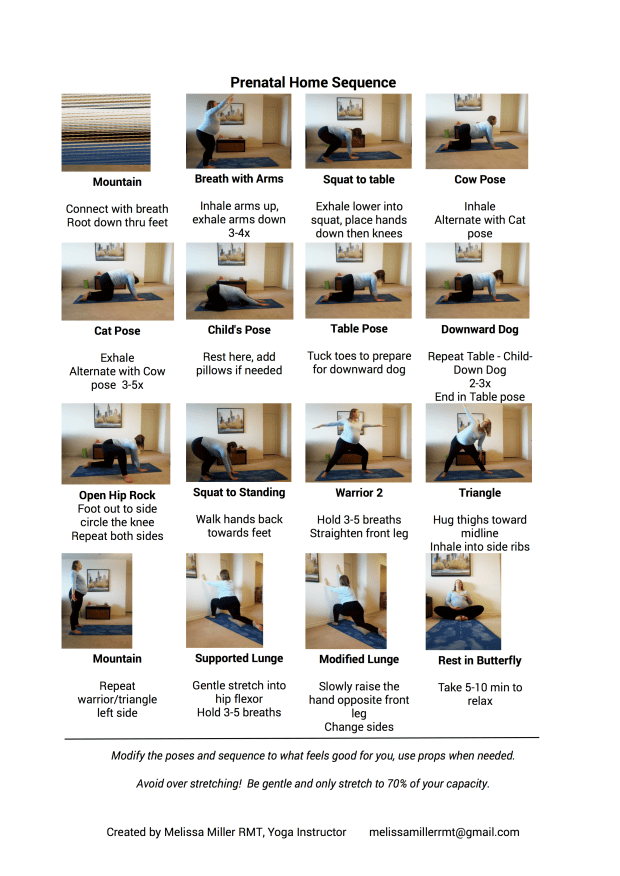
 Happy Holidays from all of us at Queen Street Yoga! 2015 was another exciting year for our studio. We celebrated our 10-year anniversary, our first group of yoga teacher trainees graduated and are now teaching all over KW, our teaching and administrative staff grew, and we’ve continued to expand our class schedule and special programming to serve our wonderful community.
 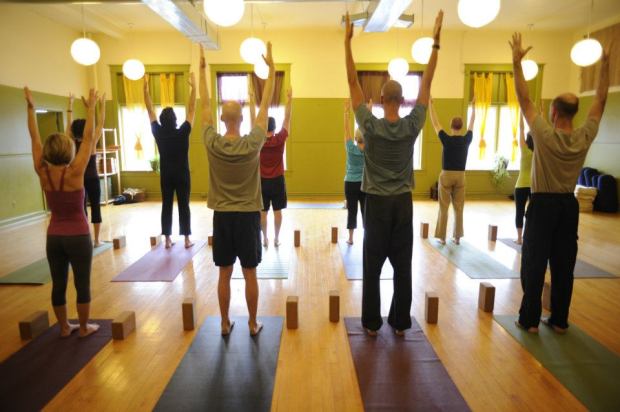 In the last several years, Queen Street Yoga has been looking more deeply into questions of privilege, oppression and cultural (mis)appropriation, and how they show up in the teaching of yoga, and in the experience of yoga studios. We have been examining how yoga was taught to us by mostly white, cis-gendered teachers, and thinking carefully about what it means to be North-American born practitioners of a tradition that has its origins in India. I define cultural (mis)appropriation as instances when members of a dominant culture take elements of a minority culture and use them outside of their original cultural context, often times reducing or commodifying those cultural aspects to “exotic” and meaningless fashion or activities. Cultural appropriation is a complex subject, and people often get defensive when it is mentioned. Recently an article was published in the Ottawa Sun about a yoga class at the University of Ottawa that was purportedly cancelled due to fears that it could be considered cultural appropriation. The Ottawa Sun later printed a retraction and reported that the class was cancelled due to low attendance, but that did not stop the viral media-storm in which many white columnists and writers derided the whole idea that yoga could be considered cultural (mis)appropriation.

