
 This thoughtful post was written by Natalie Barrales-Hall, a member of our 2015-2016 Yoga Teacher Training (YTT). Natalie has worked as a community and youth worker, and in February she began teaching Queer & Trans Yoga at Queen Street Yoga. Natalie strives to facilitate safer spaces for students who may not see themselves represented in mainstream yoga spaces or those who may be questioning whether yoga is really for them. Her approach is gentle and permissive, and she invites students to consider a practice of gratitude and self-compassion.
Whether emotional, physical or traumatic, I’ve been thinking a lot about pain. Maybe that is because of the injuries and losses I experienced during the course of the training program (don’t worry, it wasn’t the yoga asanas!), or maybe it’s informed by my work and holding space for people who are hurting, or maybe it’s simply because pain is an inevitable part of being human. Whatever the reason, I’ve been thinking about it and in all my thinking, I’ve started to wonder about the stories we are told and tell ourselves about pain – pain as the cause of loss and disconnection, pain as a source of growth and healing, and what pain says about us and how we show up in the world.
In early 2015, I was struggling to understand and manage increasingly severe knee pain which had, for all intents and purposes, come from “nowhere”. In my efforts to alleviate the pain and restore full range of movement, I was encouraged to pursue further testing to rule out any underlying injury. Thus ensued a 4-month long process which concluded with a visit to an orthopedic clinic, where upon reviewing my MRI, I was reminded of one of the first stories I can remember being told about pain: this is your fault. As the weeks passed, I would be offered many more stories by practitioners who suggested that the pain could be the result of a meniscal tear, pelvic alignment and related biomechanical concerns or energy stagnation. Continue reading “Pain and the Other Voices In My Head”
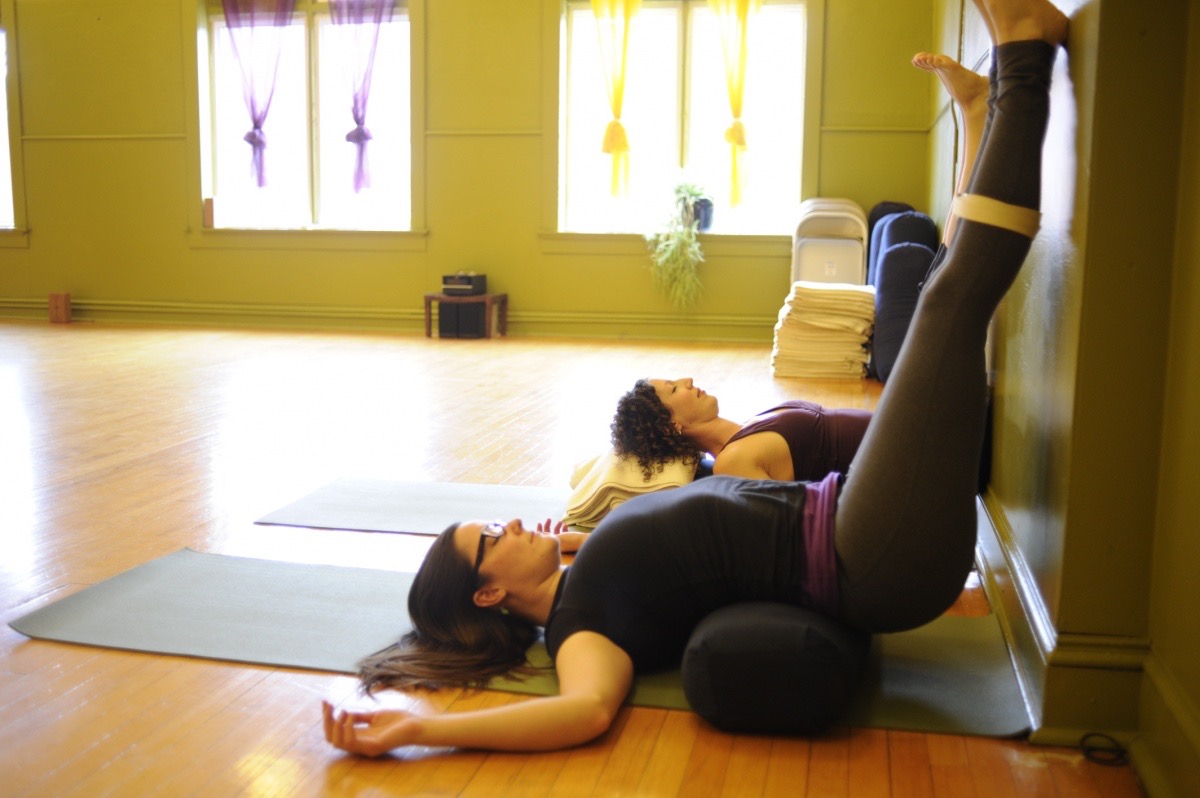
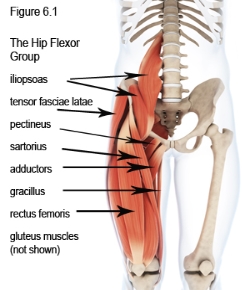 The hip flexors (the group of muscles that bring your leg towards your torso) often have decreased range of motion from all the sitting we do. Simultaneously, your lower back, bum and core muscles get weak from sitting and slumping. This quick video with Leena demonstrates an effective way to gently stretch and regain range of motion in the hip flexors, and emphasizes important actions to engage the core and keep your lower back safe and well aligned. Building the muscles in the back (ie your butt and hamstrings) will also often help correct imbalances around the hips and pelvis that cause the hip flexors to feel “tight”. Couple this stretch with a few sets of well-aligned squats to build your glutes, and also lots of walking with arms swinging and a full stride.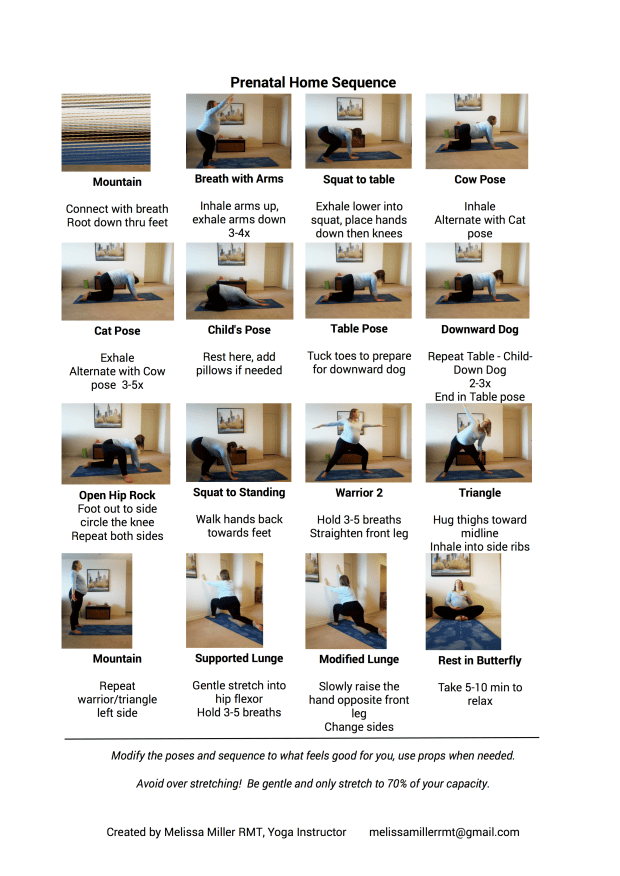
 The Branches