when sleep hygiene isn’t enough

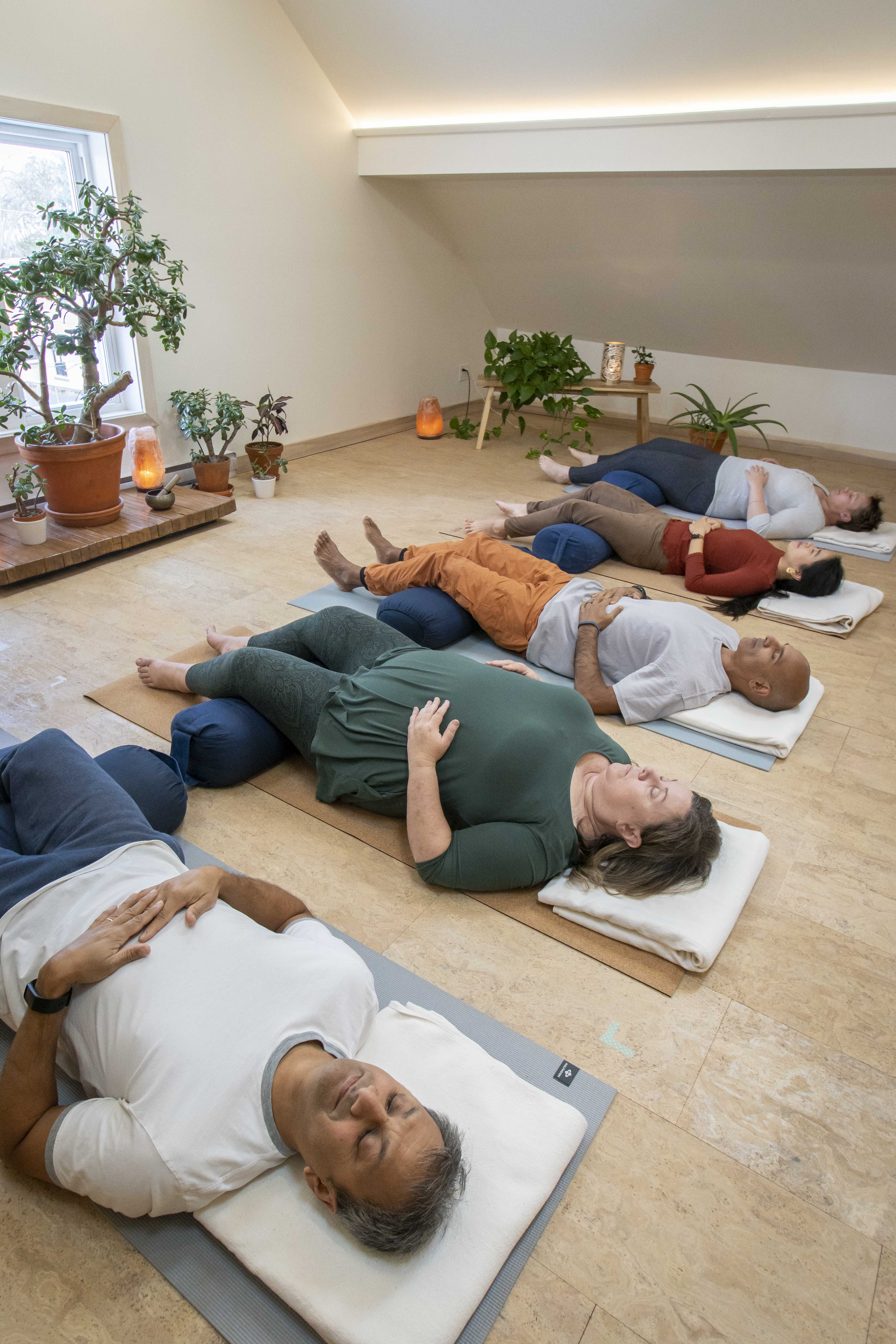
This post was written by Branches teacher Kimberley Luu. Kimberley offers Yoga Nidra courses, workshops and Yoga Nidra facilitator training (details coming soon!) through The Branches.

It had been 2 weeks of running off 0-2 hours of sleep per night when I visited the doctor’s office.

Within 10 minutes, I was sent home with a list of sleep hygiene tips and a prescription for sleep meds.

I followed the doctor’s orders to a T. Yet, sleep was still elusive.

Over the next 4 months, subsequent visits to different doctors continued to leave me frustrated and confused. I’d go home with more sleep hygiene lists and prescription variations.

I followed almost every recommendation with minimal improvement. My whole body grew exhausted and numb.

At this time, I was in the middle of my grad studies in public health and this experience made me reflect on the incompleteness of sleep care in our current medical system.

It’s not that the conventional approaches aren’t important—sleep-wise behavior is essential and medication can be lifesaving in some cases. It’s just that for some folks, they aren’t enough.

For me, the missing element was yoga nidra.

It was such an effective resource that came into my life. Little by little, in conjunction with my current plan, it helped me feel rested and whole again.

Not only was I getting more hours of sleep—my mental health improved, I relied less on medication, and to my surprise, I gained insight into why I wasn’t sleeping.

In other words, the self-awareness that yoga nidra provided helped me discern the broader life changes I needed to make to find peace and sleep well again.

As a yoga nidra facilitator now, it’s been incredibly meaningful to help fill this gap in sleep care. It never gets old, hearing long-term insomnia sufferers report that they just had their first restful sleep in months.

In my upcoming workshop, Yoga Nidra for Better Sleep, you’ll learn how to precisely apply yoga nidra and other supportive therapeutic yoga tools to optimize your sleep.

We’ll get in touch with our body’s natural circadian rhythm and sleep cycles in order to harness yoga nidra most effectively.

Lastly, you’ll receive 1-year access to Restoring Rhythmic Sleep: five on-demand yoga practice videos for supporting your rest and vitality throughout the day and night.

Sleep not your forte? It’s not mine either. But yoga nidra is here to help.

Register here for Kimberley’s workshop, Yoga Nidra for Better Sleep, coming up on Sunday Sept 28.

Creating a Sensory Friendly Home Yoga Environment

🧘‍♀️ How to Create a Sensory-Friendly Home Yoga Environment for Brain and Nervous System Health by Branches Teacher Alissa Firth-Eagland

Follow-up to Alissa’s post “Yoga for Your Brain” published on The Branches Blog October 2023. 

For folks who may want to manage their symptoms by not reading on a screen but instead watching or listening to a video, click here for a 3 minute video version of this blog: Create a Sensory-Friendly Home Yoga Space | Brain + Nervous System Support

Whether you’re managing post-concussion symptoms, nervous system dysregulation, chronic pain, or everyday sensory overload, your home yoga space can be more than just a corner of the room—it can be a healing refuge.

In Yoga for Your Brain, we explored how yoga supports your brain’s plasticity and recovery. Today, let’s bring that insight home—literally. We’ll look at how to create a sensory-friendly home yoga environment that gently supports your body and brain.

🌿 Why Sensory-Friendly Matters at Home

Many people recovering from brain injuries or living with heightened stress are especially sensitive to sensory input: harsh lights, background noise, tight clothing, or cluttered spaces can be overwhelming. 

In yoga, there can be many goals, including going outside your comfort zone and challenging yourself physically and mentally. This is not that type of practice. Think as cozy as possible! Aim to create conditions that calm you. A sensory-friendly environment helps regulate your nervous system, making it easier to breathe deeply, move mindfully, and truly rest.

🏡 Step-by-Step: Building a Home Practice Space That Soothes

You don’t need a dedicated yoga room. Just a little intention can transform any space into a supportive sanctuary.

✨ 1. Light: Soft and Dim

  • Choose a space with natural light, or use a soft, warm lamp (think salt lamp or dimmable bulb). 
  • Avoid harsh overhead lighting and flickering bulbs. Personally I prefer incandescent bulbs to the newer styles because they seem to vibrate less to my eyes. Some concussion people find it hard to look at candlelight. 
  • Try practicing with an eye mask or soft eye pillow during rest poses.

🔉 2. Sound: Gentle and Controlled

  • Reduce background noise with a white noise machine or fan.
  • You might enjoy practicing with no music, letting your breath be your rhythm.
  • If participating in a virtual class, pick instructors with instructions so clear, you can choose not to watch the video and only listen.

🧘 3. Touch: Comfort is Key

  • Wear soft, breathable, non-restrictive clothing. Bonus points if you wear PJs so you can roll into bed after practice! 
  • Practice on a thick mat. Layer it with a blanket or towel for extra cushion.
  • Gather your props: bolsters, blocks, blankets, straps, or pillows can make poses more comfortable—especially restorative ones.

🧺 4. Declutter: Clear the Visual Field

  • A visually busy room can be overstimulating. Tidy the space before practice if possible. I learned this from my yoga teacher: taking the time to prepare and clean the space gets you in the right frame of mind for practice. It is a form of saucha. For me, sweeping and wiping down the floor before I place my mat is a fave ritual to get ready for yoga. 
  • You don’t need perfection—just a calm corner with a bit of order. Sometimes it is better to practice amongst the dust bunnies than not at all. 
  • A folded blanket, plant, or treasured object can signal “this is a space for care.”

🌀 Tips for Practicing at Home with Sensory Awareness

  • Slow it down. Reduce the pace and number of poses. The slower you move, the more time your brain has to process. Take the time to experience the shape or movement. 
  • Avoid fast vinyasa styles that can spike blood pressure or cause disorientation.
  • Repeat familiar movements. Routine can reduce cognitive load and boost comfort.
  • When you are extra tired, use grounding poses like Child’s, Legs on the Chair, or Constructive Rest Pose (CRP). Liz Koch has a beautifully gentle spine practice in CRP you can do with or without a core ball. 
  • Anchor to your breath by inhaling and exhaling through your nose. This sends the message to your brain that there is no immediate threat. Even a short breath practice can help calm your nervous system.

💻 Setting Up for Online Yoga Without the Overwhelm

If you’re using Branches On Demand or another virtual platform, here’s how to make your screen time supportive:

  • Lower screen brightness and sound to a comfortable level.
  • Headphones or external speakers might sound better than built-in laptop speakers, depending on your sound sensitivity.
  • Choose videos with slow pacing, fewer transitions, and simpler production.
  • Avoid rapidly changing visuals.

🌱 Practice That Feels Like a Gift, Not a Task

Your home practice doesn’t need to be fancy—aim for feeling safe and supported. With a few thoughtful choices, you can create an environment that welcomes your body, calms your senses, and supports your brain in healing.

Start by adjusting just one element: lighting, clothing, background noise—whatever feels most pressing. Your nervous system will notice. Over time, those tiny changes can stack up into a powerful shift.

🧘‍♀️ Ready to Begin?

If you or someone you love are living with concussion or brain injury, I invite you to register for my Yoga for Concussions course with this 10% off Affiliate Code: AFFILIATE10. This course is designed to meet you right where you are—at home, with a tired body, a sensitive system, and a deep need for rest and recovery. 

** If funds are low and the Affiliate price still doesn’t fit your budget, please reach out to alissa@gardenvariety.ca to hear other options. Concussion and head injury can profoundly impact survivors’ capacity to work. No one will be turned away due to a lack of funds. **

+++++++++++++++++++++++++++++++++++++++++++++++++++++++++++++++++
Introducing our 2024 graduates!

Congratulations to our 2023-2024 Yoga Teacher Training graduates!

The end of the Yoga Teacher Training program is invariably bittersweet. It’s a relief to complete such a big journey, but it’s also a big bummer to say goodbye.

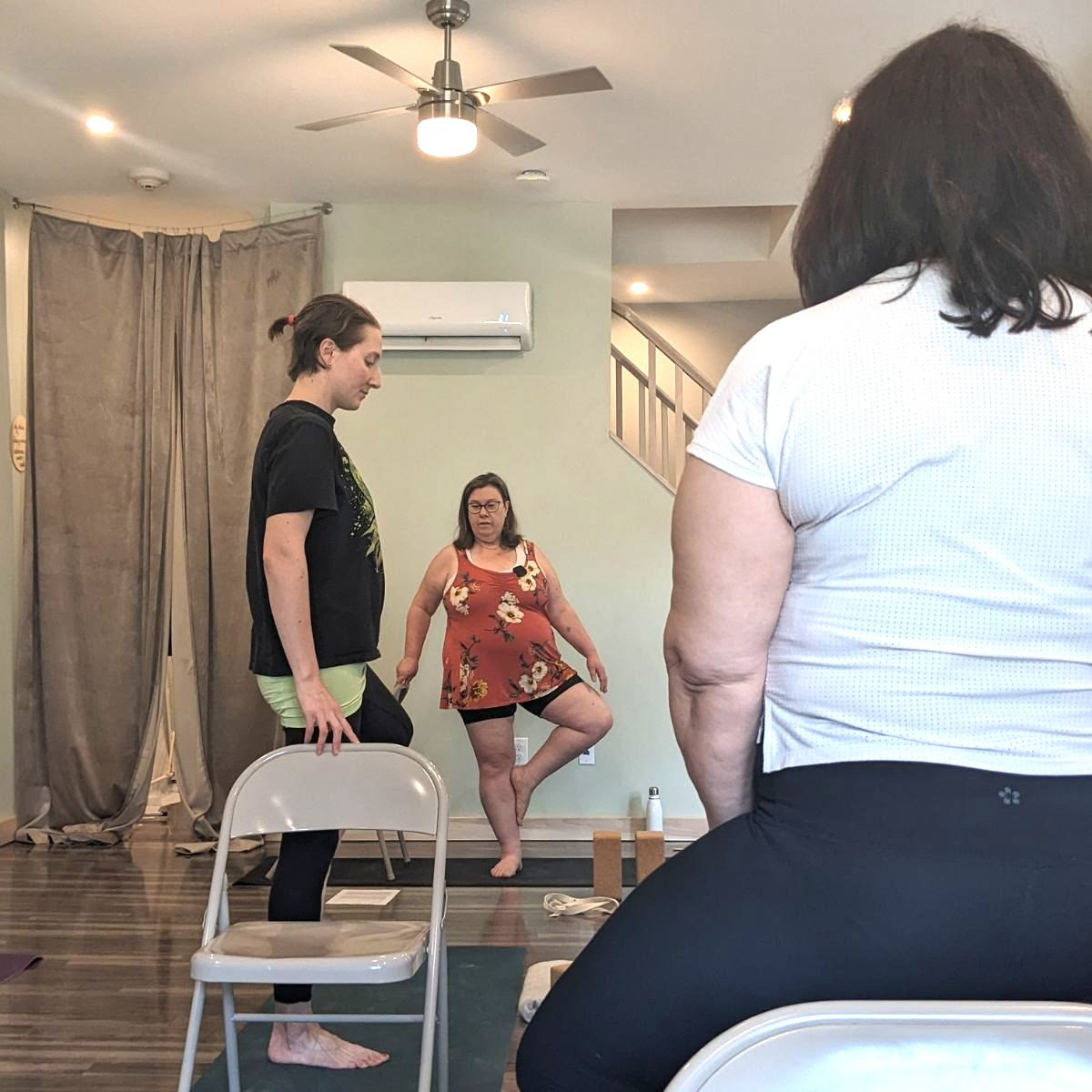
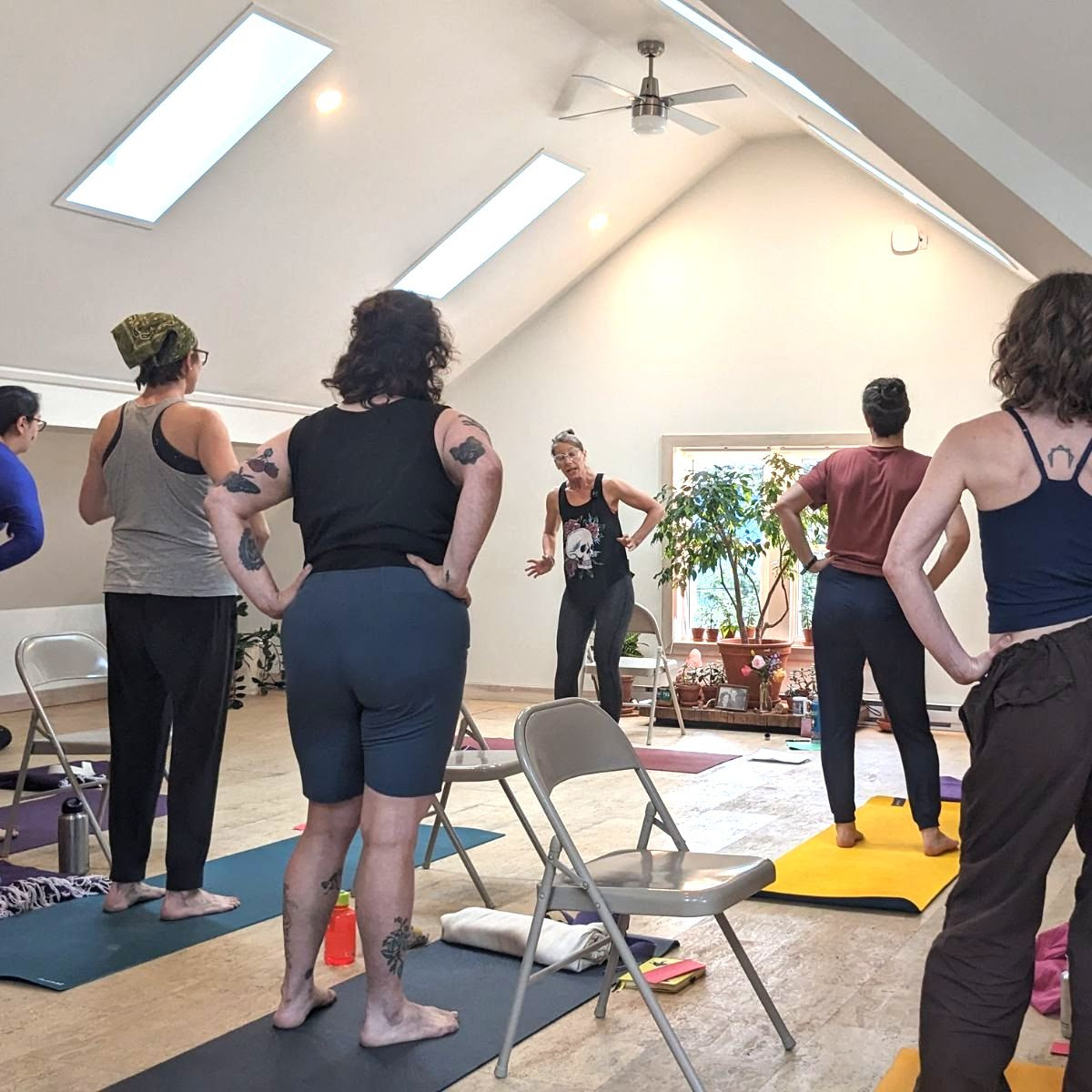
Pictured here are a handful of the newly-initiated teachers: a mix of people who were already sharing yoga in movement and wellness spaces, or who have new-found passion for teaching, and some who’ll continue to prioritize their own evolutionary relationship with yoga. Program directors Leena and Emma were continuously impressed by the maturity and thoughtfulness of this group.

Photo Highlights from Final YTT Weekend

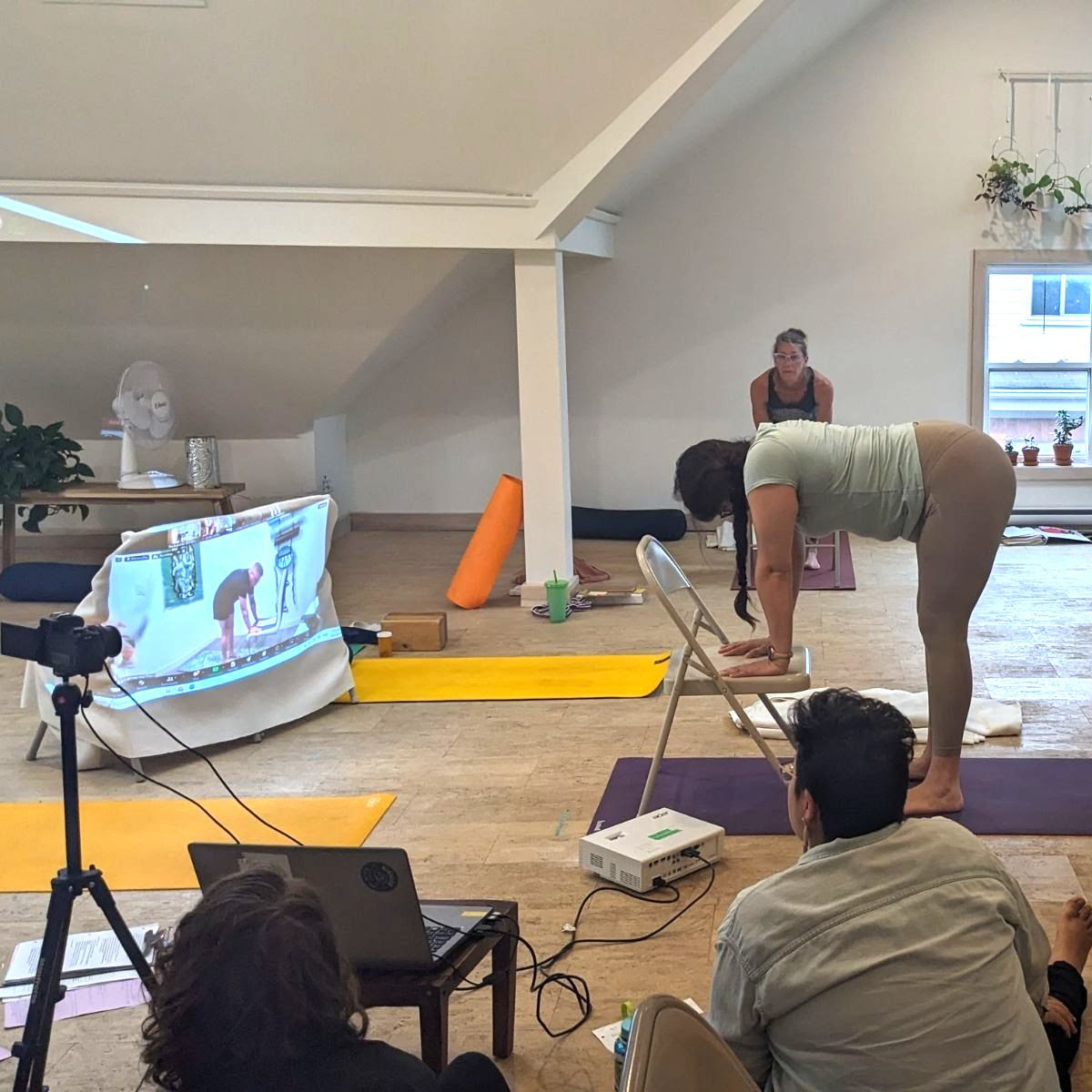
Below are some highlights from our grads’ teaching initiations. We were blessed with virtual lessons from our BC participants, and an in-person visit from our Hamilton participant!

The initiations are the capstone creative project of the program: 30 minutes of solo teaching, with a mission: an intention to serve a specific population, highlight a specific action, and communicate a specific learning goal. 

All teacher-trainees give and receive feedback on one another’s teaching, according to hard and soft skills they’ve been honing over the course of the program.

Everyone made huge improvements, and we are super-duper proud of them.

WANT TO DO OUR NEXT YTT?

Here are some pathways to participation.

Our next full 250-hour Yoga Teacher Training will take place through the 2025-2026 academic year. It’s a long time to wait, but we think it’s worth it.

That said, there are a couple of things you can do in the meantime to:
 a) test out our vibe and make sure it’s a good fit
b) get ready for a big experiential learning journey

Option 1: Prep Program
The perfect toe-dip that you can do anytime.
Get:
-a 20 Class-Pass 
-10 Introductory YTT lessons in our online portal
-If you do the full YTT, we will deduct Prep fees from tuition, making the Prep Program free.

Option 2: Restorative YTT

A 45-hour training that runs over the winter 2024-2025.
Includes
-three weekend intensives
-Yoga Alliance credits
-a deep dive into intentional rest
-Can be done before, after, or totally separate from the full 250-hour YTT.

Self Care Is A Band-Aid Solution In A Broken System.

Band-aids have their place, but they don’t really support deep healing. And in a broken system, self-care routines are like minnows swimming upstream against the raging currents of neoliberal hyper-individualistic capitalism.

Caring self-regard and self-loving actions do matter – but practically, it’s the more well-resourced among us who reap the benefits of self-care habits. The time, money, and education required to identify helpful strategies and act upon them is not equally accessible to all.

Obsession with the Self in Self-Care

Hustle culture, grind culture, self-help and self-improvement culture all tell us that “no one is going to save you.” Yes, we should all do our best to treat ourselves as though our health matters, but this hyper-individualistic attitude is dissociated from the fact that as human animals, we heal and grow in relationship and in community. Doing everything yourself is not only near-impossible, it’s not even in our nature. 

Many wellness influencers and coaches use our (justifiable) fears of illness and unworthiness to capitalize on our desperation to optimize our wellbeing and desirability. They reel us in by performing their own wellness, which is often bolstered by genetics and their existing resources, making promises of a better life through discipline, early-morning routines, and of course, unshakeable dedication to the self.

There’s nothing wrong with a morning routine, but emphasizing this self-focused approach has us wondering – what about the capacity for single-moms, low-wage workers, neurodivergent, chronically-ill & disabled folks, and individuals of marginalized identity to fight to swim upstream?

Imagining A New Way of Being

We’re wondering whether self-care would even be a thing in a radically transformed society, where we might live in accordance with the reality of interrelationship: where child-care was provided for, where everyone had enough good food to eat, where rest and leisure were truly recognized to be just as life-giving as exercise, achievement and production.

Could networked systems of care provide the support we all need for collective wellness?

We don’t advocate for giving up on self-care, but we do believe in an approach to wellness that uses the lens of the social determinants of health, and that emphasizes Community Care as a more ethical and more effective approach.

What Can Wellness Spaces Do?

We see the ways in which yoga studio culture can also be full of wimpy little band-aids, and we hope to be more, do more and influence the broader culture towards recognizing and acting on our innate state of deep interrelationship.

Our mission is “to create a better world with Yoga as our common ground.” Part of this means doing business in a way that embodies our values. We value compensating our staff and teachers fairly and generously, and we alue offering more equitable wellness opportunities.

This orientation to business and community leads us to offer things like no-questions-asked sliding scale pricing, scholarships for 1 in 5 spots in our YTT, and Community Care Week.

You can read more about Community Care and our approach here.

Explore Resilience in Your Body & Mind  with an Interactive Yoga Sequence

This post is by one of our wellness practitioners, Natasha Allain. 

As complex beings we process information through multiple lenses: physical, emotional, mental, spiritual. So, what happens when we use multiple lenses to process at the same time, for example when we practice yoga and meditation? Here we can apply what we learn through action, such as yoga, and kinesthetically condition our muscles and our mental thought roads to spaces of resilience.

Below I have paired resilient building lessons with 5 familiar Hatha Yoga postures. Now, this isn’t just any yoga practice. With each pose you can contemplate and explore an aspect of resilience. Through intentional postures, breath, and contemplation, resilience researchers state that it is possible to rewire our brains and guide our bodies towards more resilient responses and behaviours.

Your Yoga for Resilience Sequence

Continue reading “Explore Resilience in Your Body & Mind  with an Interactive Yoga Sequence”